
"Brazilian production cycle"
80 article(s) found

The flowering cycle of coffee is several months-the growth cycle of Brazilian coffee.
Coffee flowering cycle for several months-Brazilian coffee growth cycle coffee tree flowering from February to May, blooming constantly. Bear fruit after anthesis. The fruit is green. No artificial pollination is needed. Every March, the branches of the coffee tree will appear white flowers, petals arranged in a spiral, the heart of the flowers jumping around the petals, take a closer look, it is really like a small windmill playing in childhood, emitting bursts of jasmine fragrance; fruit

Brazilian coffee production will be reduced by more than 9% in 2014
According to the latest forecast released by the Brazilian state supply company, coffee production in Brazil will reach 44.57 million bags (60 kg each) this year, 9.33% less than in 2013.

Forecasts show that coffee production in Brazil will be reduced by more than 9% this year.
Brazilian coffee production will reach 44.57 million bags (60 kilograms each) this year, a decrease of 9.33 percent from 2013, according to the latest forecast released by the Brazilian state supply company on the 15th.

Brazilian coffee varieties What is Brazilian coffee production ranking Brazilian coffee picking time
Brazil's coffee production is expected to approach record levels in 2020 as it grows for the first time since 2012, the Brazilian government agency Conab said in a study released Thursday. Brazil is the world's largest coffee exporter. In this case,
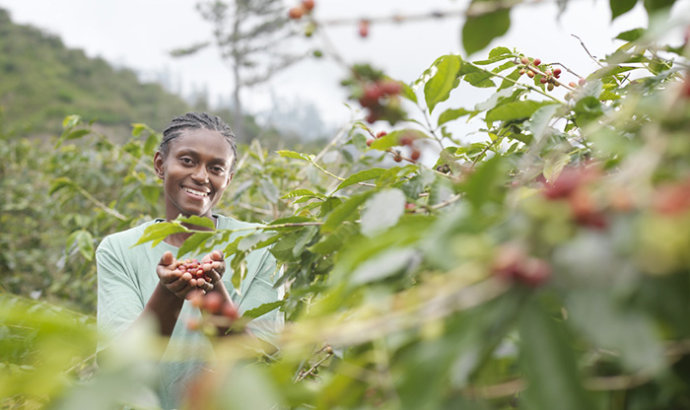
The abnormal prosperity of Brazil's "coffee kingdom"
From the early 16th century to the 1820s, Portugal colonized Brazil for more than 300 years. Portugal colonial rule had a profound impact on Brazil's economy, politics, society and culture. Single product system and large estate system became fetters restricting the development of modern Brazil's economy. Due to the incomplete nature of the independence movement, Brazil remained a colony for 100 years after independence.
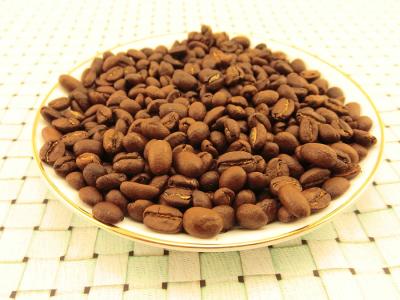
Using the traditional Brazilian natural drying method of pulp, Brazilian Cerrado Syrador coffee beans
Using the traditional Brazilian pulp natural drying method, Brazil Cerrado Hilado coffee beans Brazil coffee production ranks first in the world, and the United States ranks first in coffee consumption in the world, with an annual consumption of about 3 trillion yuan. However, the scale of China's coffee consumption market is only about 70 billion yuan, and there is still a lot of room for development. So far, overseas coffee roasters have been able to absorb higher costs. In contrast, Brazil
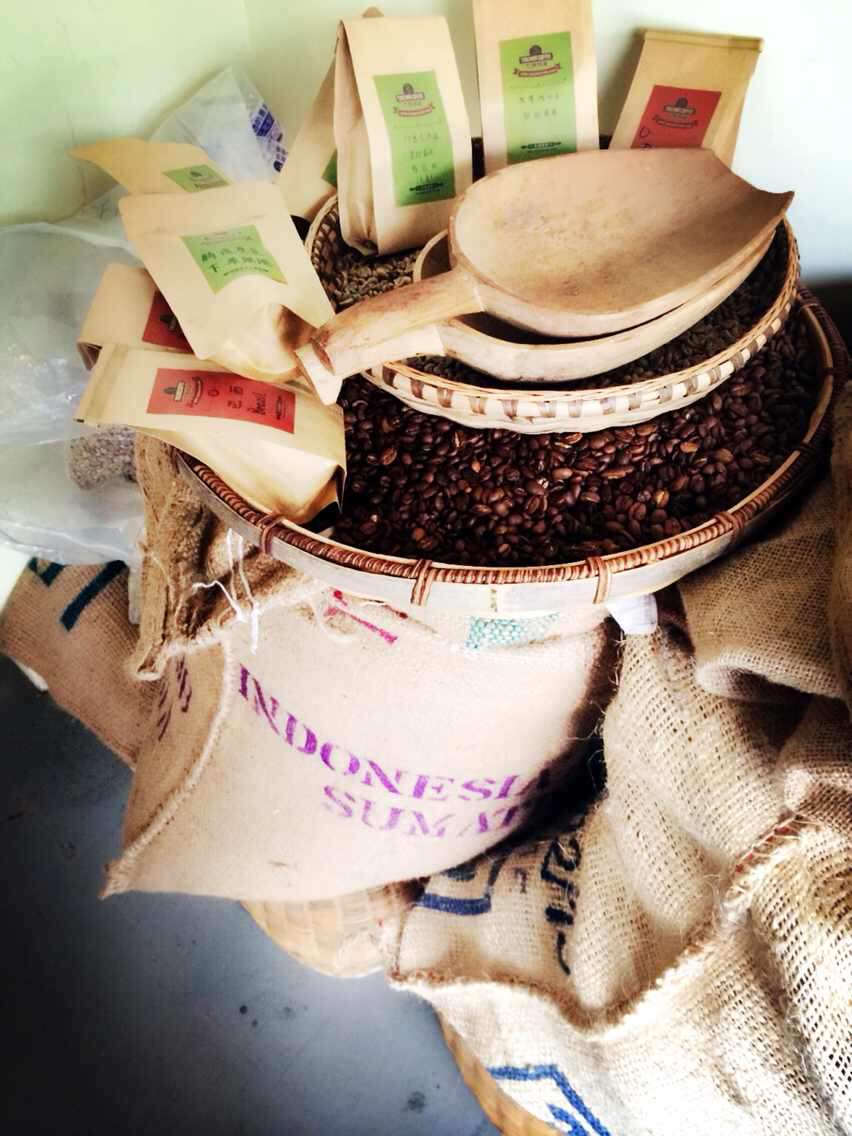
Brazilian Coffee Cooperative predicts that coffee production will fall by half in 2015
Sao Paulo, March 17 (Reporter Wang Zhengrun Xunwei) COCAPEC, the third largest coffee cooperative in Brazil, predicts that coffee production by its members will drop by half in 2015. COCAPEC said the decline in coffee was mainly due to severe drought and the superposition of coffee production in a small year. The output of coffee trees has a cycle every two years, with high yield in one year and low yield the next year. COCAPEC Coffee Cooperative

Brazilian boutique coffee producing area information Brazilian coffee production reduction stimulates Arabica coffee price to rise
Professional coffee knowledge exchange more information about coffee beans Please follow the coffee workshop (Wechat official account cafe_style) the price of Arabica coffee reached a 14-month high at the end of February this year. Although prices fell at the end of February and early March, they also exceeded pre-COVID-19 levels. MichaelaHelby, Research Agricultural analyst of Commercial Bank

In 2022, Brazil's Arabica coffee production will lose about 4% due to frost.
Journalist, coffee analyst and agricultural liaison coordinator Maja Wallengren reports in STIR Tea Coffee, the world's leading tea and coffee industry magazine, that frost affects areas so widely in Brazil's coffee-growing regions that it accounts for 65% of Brazil's total harvest during the average crop cycle. STIR Tea Coffee gets exclusive information from senior Brazilian government officials

2017 what is the expected output of Brazilian Arabica coffee? will the price go up or down?
2017 what is the expected output of Brazilian Arabica Coffee? will prices rise or decline? ICO said that as the first month of the coffee year, global coffee exports decreased by 1.9% to 9.1 million packets per year. Among them, Arabica coffee exports increased by 4.7% annually, while Robusta coffee exports decreased by 12.9%, mainly due to the decline in Brazilian production.

Flavor characteristics of coffee beans in Sao Paulo, Brazil 2021 the yield of Brazilian coffee decreased due to drought
After a record harvest in 2020, Brazil is likely to see one of the worst declines in coffee production in 2021. The drought brought by La Nina has hit new crops during the critical flowering period and is likely to depress the yield of Brazilian coffee. In the course of Brazil's history and economic development, coffee cultivation in Brazil has undergone significant changes, especially in terms of production location.

Brazilian boutique coffee beans common sense coffee bean output
Global coffee production depends on whether Brazil's production cycle is even or odd, but Brazil's production first depends on Minas, which has a bumper harvest or a poor harvest, only Serrado and South Minas in the Midwest. Minas province is bordered by Sao Paulo to the south, Bahia to the north and Esp í rito Santo to the east. It is located at 15 to 20 degrees south latitude and will not frost in winter. The good news is that South Minas is associated with

The basic knowledge of Brazilian boutique beans New Hope Coffee beans
Global coffee production depends on whether Brazil's production cycle is even or odd, but Brazil's production first depends on Minas, which has a bumper harvest or a poor harvest, only Serrado and South Minas in the Midwest. Minas province is bordered by Sao Paulo to the south, Bahia to the north and Esp í rito Santo to the east. It is located at 15 to 20 degrees south latitude and will not frost in winter. The good news is that South Minas is associated with

The Brazilian Coffee Information Agency predicts that the total output of coffee in Brazil in the new season in 2021 will be 52.01 million bags.
More boutique coffee beans please add private Wechat Qianjie Coffee, WeChat: kaixinguoguo0925 as 2021 is Brazilian coffee is a biennial coffee production cycle, coupled with the 2020 dry season in Brazil, the global agencies on Brazil 2021 Coffee 22 production season forecast, the average total coffee production in Brazil is expected to be 52.01 million bags (60 kg / bag). 2021cyber 22 quarter bus
Brazil will produce 47.54 million bags of coffee this year.
At the International Coffee week, which opened on the 9th, the Brazilian National supply Company predicted that as the world's largest coffee producer, Brazil's coffee production will reach 47.54 million bags (60 kilograms each) in 2013, down 6.46 percent from the previous year. The main reason for the decline in coffee production in Brazil this year is that this year is in the small year of the biennial coffee production cycle. However, the Brazilian National supply Company is still

Can you add sugar and milk to the Brazilian Santos black coffee? is the Brazilian Santos milk coffee good?
Professional coffee knowledge exchange more coffee bean information please follow the coffee workshop (Wechat official account cafe_style) in the 1830s, coffee accounted for 43.8% of Brazil's total Santos exports. In the mid-19th century, coffee farming peaked in Rio de Janeiro, centered around the Paraiba Valley. In 18511860, the average annual output of Brazilian coffee reached 2.6 million bags. So far

Brazilian Coffee production decreases & Central American Coffee lost harvest Arabica Coffee beans or further shortage
Professional coffee knowledge exchange more coffee bean information Please pay attention to Coffee Workshop (Wechat official account cafe_style) originally due to the drought in Brazil last year and the influence of this year's small coffee production cycle, the reduction in Arabica coffee bean production in Brazil in the 22nd production season has made the whole Arabica coffee industry in turmoil. Then the torrential rain in Colombia also threatened Arabica, Colombia.

Brazil, the world's largest coffee producer and exporter.
For information, please follow the coffee workshop (Wechat official account cafe_style)
Severe loss of coffee production caused by drought in Brazil is expected to be reduced by 30%.
According to a report on the website of Brazilian newspaper Le Sao Paulo on November 3, in a plantation in Eloy Mendes (southern state of Minas Gerais), Jean Philippe, a 25-year-old agricultural technician, measured the height of a 2-year-old coffee tree with a ruler. The result is 80 cm, but if Minas Gerais has sufficient rainfall this year, the normal height of the coffee tree should reach 1.3.
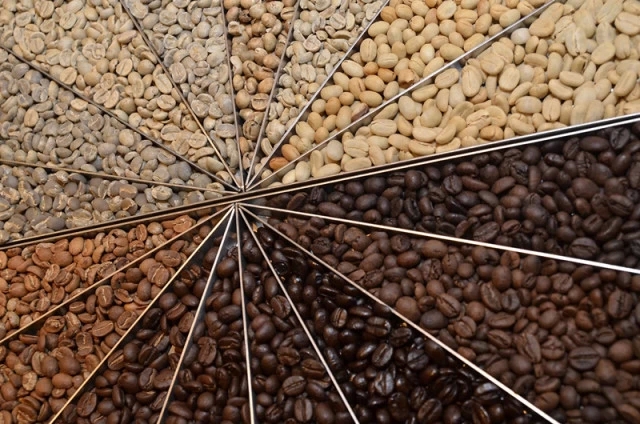
Brazil's COCAPEC predicts that coffee production by its members will fall by half in 2015
COCAPEC said the decline in coffee was mainly due to severe drought and the superposition of coffee production in a small year. The output of coffee trees has a cycle every two years, with high yield in one year and low yield the next year. The COCAPEC Coffee Cooperative, which has 2200 farmers, is expected to produce about 1 million bags (60, 000 tons) in 2015, down by half from 2 million bags (120000 tons) last year. COCAPEC Cafe